
ADA Signage Overview
Understanding ADA signage requirements can feel overwhelming, especially with multiple fabrication methods available. Choosing the right ADA signage method is essential to ensure compliance, durability, aesthetics, and cost efficiency. This guide explores the most common ADA signage fabrication techniques, their benefits, drawbacks, and ideal use cases to help you make an informed decision.
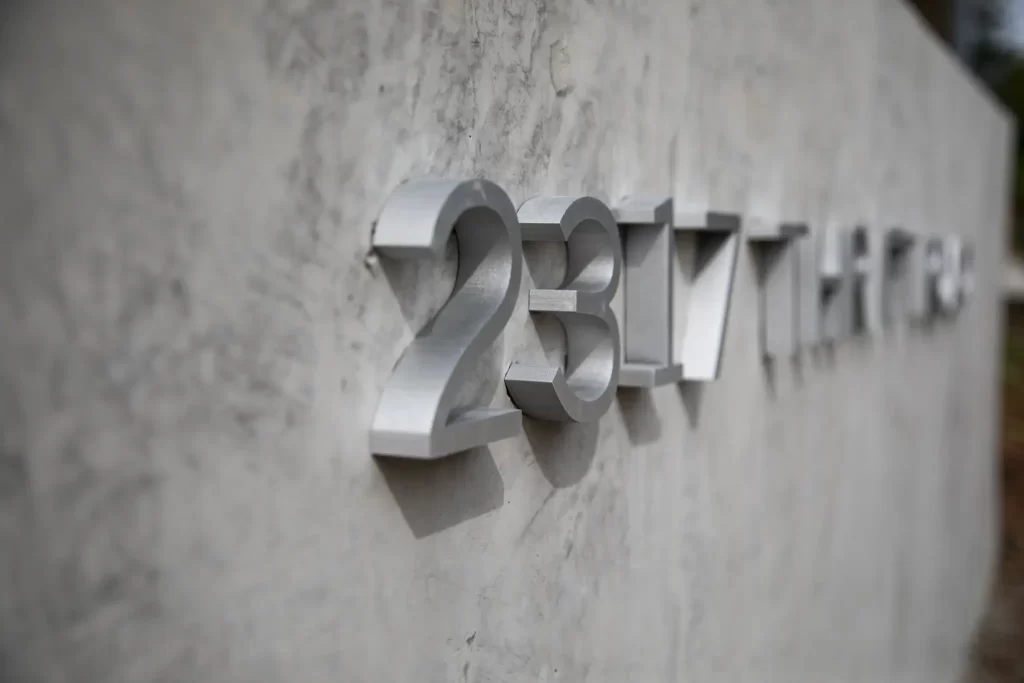
Applique / Raster Braille – Balanced and Budget-Friendly
Overview
Applique ADA signage involves applying pre-cut letters and Braille beads onto a sign surface, creating a layered, tactile effect. This method offers a clean, professional appearance while keeping production costs manageable.
Benefits
- Cost-Effective: More affordable than thermoforming or zinc plates
- Aesthetic Appeal: Clean, professional, and visually consistent
- Design Flexibility: Available in various colors and finishes for brand consistency
Drawbacks
- Durability: Letters and Braille can be peeled or tampered with
- Moderate Lifespan: Less durable than vacuum-formed or metal signage
Best For
Indoor ADA signage in offices, commercial spaces, and facilities with moderate foot traffic and low vandalism risk.
Digital UV Printing – Fast, Flexible, and Cost-Effective
Overview
Digital UV printing uses UV-cured inks printed directly onto substrates such as acrylic, plastic, or metal. This method is known for fast turnaround times and high-quality graphics.
Benefits
- Quick Production: Ideal for tight deadlines
- Customizable: Supports logos, full-color graphics, and custom designs
- Economical: Budget-friendly for large batches or short-term projects
Drawbacks
- Lower Durability: Prone to scratching and wear
- Vandalism Risk: Easier to deface compared to raised-character methods
Best For
Temporary signage, events, indoor installations, and budget-driven ADA signage projects.
Photopolymer – A Phasing-Out Standard
Overview
Photopolymer was once the industry standard for ADA signage. The process uses UV exposure to create raised text and Braille on a photosensitive material. While reliable in the past, it is now considered outdated.
Drawbacks
- Declining Availability: Fewer manufacturers offer photopolymer today
- Higher Cost: More expensive than newer methods with better performance
- Limited Flexibility: Less adaptable to modern design needs
Best For
Projects requiring consistency with older or legacy ADA signage systems.
Note: Photopolymer has largely been replaced by thermoforming due to superior durability, vandal resistance, and long-term value.
Thermoforming (Vacuum Forming) – The Current Gold Standard
Overview
Thermoforming creates ADA signage by heating and molding plastic over a form, producing tactile characters and Braille that are integral to the sign. This makes the signage exceptionally durable and tamper-resistant.
Benefits
- Exceptional Durability: Designed for high-traffic environments
- Tamper-Resistant: Raised elements cannot be removed or rearranged
- Professional Finish: Consistent, clean, and fully ADA-compliant
Drawbacks
- Higher Initial Cost: Offset by long-term durability and performance
Best For
Schools, healthcare facilities, government buildings, universities, and any location requiring long-lasting, vandal-resistant ADA signage.
Zinc Plates – The Outdoor Heavyweight
Overview
Zinc plate ADA signage is etched or engraved, making it one of the most durable options available. These signs are specifically designed to withstand harsh outdoor environments.
Benefits
- Weather-Resistant: Ideal for exterior use
- Extreme Longevity: Built to last for years
- High-Quality Appearance: Polished and professional
- Sustainable Option: Etching processes can be environmentally friendly
Drawbacks
- Premium Cost: Higher price reflects durability and quality
Best For
Outdoor directional signage, plaques, parks, campuses, and exterior facilities exposed to the elements.
Comparison of ADA Signage Making Methods
- Applique / Raster Braille: Affordable and professional, but vulnerable to tampering
- Digital UV Printing: Fast and flexible, best for temporary or indoor use
- Photopolymer: Outdated and less cost-effective today
- Thermoforming: Industry-leading durability and vandal resistance
- Zinc Plates: Premium outdoor solution with maximum weather resistance
Conclusion
Choosing the right ADA signage fabrication method depends on environment, budget, and durability requirements. Applique and digital UV printing are suitable for short-term or budget-conscious projects, while zinc plates remain the top choice for outdoor installations.
By selecting the right method, you ensure your ADA signage remains compliant, functional, and visually consistent for years to come.
For most modern ADA-compliant signage needs, thermoforming has become the gold standard, offering unmatched durability, tamper resistance, and long-term value for high-traffic and institutional environments.
— 360CSG